
Introduction
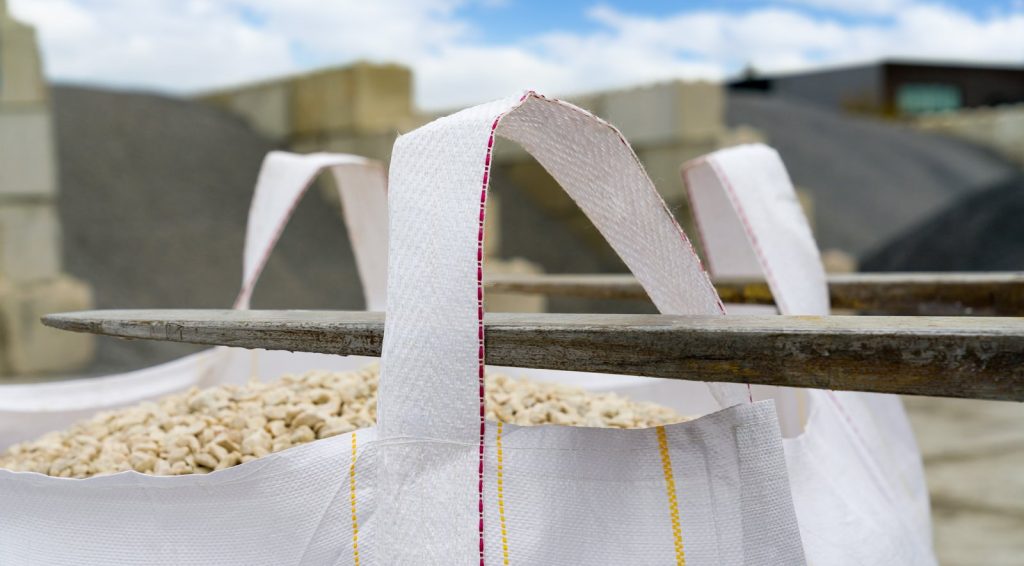
In modern industries where large volumes of bulk materials are transported and stored, jumbo bags, also known as big bags, bulk bags, or FIBC (Flexible Intermediate Bulk Containers), play a vital role. These industrial bags are widely used in construction, chemical, mining, agricultural, and food industries. However, the performance, safety, and international acceptance of a jumbo bag depend heavily on compliance with global standards such as UN, ISO, and safety regulations.
This comprehensive SEO-optimized article provides an in-depth explanation of jumbo bag standards, focusing on UN certification, ISO standards, and safety requirements, while naturally using related terms such as big bag, industrial bag, sack, and bulk packaging.
What Is a Jumbo Bag and Why Standards Matter?
A jumbo bag is a large, flexible industrial sack made primarily from woven polypropylene (PP). These bags are designed to carry bulk materials with capacities ranging from 500 kg to over 2000 kg.
Standards are essential because they:
- Prevent tearing and failure during lifting and transport
- Protect workers and equipment
- Prevent leakage of hazardous materials
- Ensure compliance with international transport laws
- Increase customer trust and export potential
Using non-standard big bags can result in serious safety risks and financial losses.
Overview of International Jumbo Bag Standards
Jumbo bag standards can be categorized into three main groups:
- UN Standards (for hazardous materials)
- ISO Standards (quality, design, and testing)
- Operational and workplace safety standards
Each of these plays a critical role in ensuring the reliability of bulk bags.
UN Standard for Jumbo Bags
What Is the UN Standard?
The UN standard is issued by the United Nations and applies to packaging used for transporting dangerous and hazardous goods. Any jumbo bag intended for chemicals, toxic powders, flammable substances, or hazardous minerals must be UN certified.
UN certification confirms that the big bag can withstand harsh transport conditions without leakage or structural failure.
Understanding the UN Marking Code
UN-certified jumbo bags carry a printed code that provides detailed information about the bag:
UN 13H3/Y/1500/24/IR/ABC
This code identifies:
- Packaging type
- Material composition
- Hazard level (X, Y, or Z)
- Maximum allowable load
- Year of manufacture
- Country and manufacturer
This marking is mandatory for international transport of dangerous goods.
UN Testing Requirements for Big Bags
To obtain UN approval, jumbo bags must pass several strict tests, including:
- Drop test
- Top lift test
- Tear resistance test
- Stacking test
- Moisture resistance test
These tests simulate real-world handling and shipping conditions.
ISO Standards for Jumbo Bags
What Is ISO?
The International Organization for Standardization (ISO) develops global standards to ensure product quality, consistency, and safety. Several ISO standards are directly related to jumbo bag manufacturing.
Key ISO Standards for Big Bags
ISO 21898 – FIBC Standards
ISO 21898 is the most important standard for jumbo bags and FIBCs. It defines:
- Design and construction requirements
- Safe Working Load (SWL)
- Safety Factor (SF)
- Lifting loop strength
- Testing procedures
ISO 9001 – Quality Management
ISO 9001 ensures that jumbo bag manufacturers operate under a controlled and traceable quality management system, resulting in consistent product performance.
Environmental Management – ISO 14001
ISO 14001 focuses on environmentally responsible manufacturing and is increasingly important for international buyers and export markets.
Safety Factor in Jumbo Bags
What Is Safety Factor?
The Safety Factor (SF) represents the ratio between the bag’s breaking strength and its rated load:
- Single-trip jumbo bags: 5:1
- Multi-trip jumbo bags: 6:1
For example, a 1000 kg big bag must withstand at least 5000 kg during testing.
Importance of Safety Factor in Big Bags
- Prevents bag failure during lifting
- Enhances worker safety
- Reduces material loss
- Ensures ISO compliance
Workplace Safety Standards for Jumbo Bags
Safe Handling and Lifting
Proper handling is essential even for certified jumbo bags:
- Use certified forklifts or cranes
- Inspect lifting loops before use
- Never stand under a suspended bag
- Lift evenly from all loops
Electrostatic Safety and Jumbo Bag Types
Based on electrostatic protection, jumbo bags are classified as:
- Type A – No static protection
- Type B – Low spark risk
- Type C – Conductive (requires grounding)
- Type D – Static dissipative (no grounding required)
Choosing the correct type is critical in explosive or dusty environments.
Material and Fabric Requirements Under Standards
- Fabric Quality and GSM
- ISO standards require jumbo bag fabric to meet specific GSM (grams per square meter) and tensile strength values depending on load capacity.
- High-quality woven PP fabric ensures:
- Uniform strength
- Resistance to tearing
- Long service life
- UV resistance for outdoor storage
Stitching and Critical Stress Points
Poor stitching is a leading cause of jumbo bag failure. Standards require:
- Industrial-grade threads
- Reinforced seams
- Controlled stitch density
- Independent testing of lifting loops
—
Food-Grade Jumbo Bag Standards
What Is a Food-Grade Big Bag?
Food-grade jumbo bags are used in food and pharmaceutical industries and must meet strict hygiene requirements:
- Virgin polypropylene only
- No recycled materials
- Clean-room production environment
- Full batch traceability
Additional certifications often include ISO 22000 and HACCP.
—
Labeling and Marking Requirements
Each standard-compliant jumbo bag must have a durable label showing:
- Manufacturer name
- Production date
- Safe Working Load (SWL)
- Safety Factor (SF)
- Bag type (A, B, C, or D)
- UN code (if applicable)
Incorrect or missing labels may result in rejection during inspections.
Quality Control and Routine Testing
Even certified jumbo bags require ongoing quality control:
- Tensile strength tests
- Seam strength tests
- Periodic drop tests
- UV resistance testing
Routine QC ensures consistent safety and performance.
Storage and Handling Standards
Improper storage can reduce the lifespan of even the best big bags. Standard storage guidelines include:
- Avoid direct sunlight
- Keep away from chemicals
- Store in dry, ventilated areas
- Avoid over-stacking
Environmental and Recycling Standards
- Modern jumbo bag standards also address sustainability:
- 100% recyclable polypropylene
- Reduced material usage
- Multi-trip bag design
- ISO 14001 plays a key role in environmental compliance.
Common Mistakes When Ignoring Jumbo Bag Standards
- Choosing bags based on price only
- Using non-UN bags for hazardous goods
- Ignoring electrostatic risks
- Purchasing from uncertified suppliers
These mistakes can cause serious safety incidents and export failures.
Conclusion
Jumbo bag standards (UN, ISO, and safety requirements) are not optional—they are essential for safe handling, legal compliance, and international trade. From fabric selection and stitching to labeling, testing, storage, and recycling, every aspect of a big bag must follow recognized standards.
Whether transporting construction materials, chemicals, food products, or minerals, using certified jumbo bags ensures safety, efficiency, and long-term business success.