
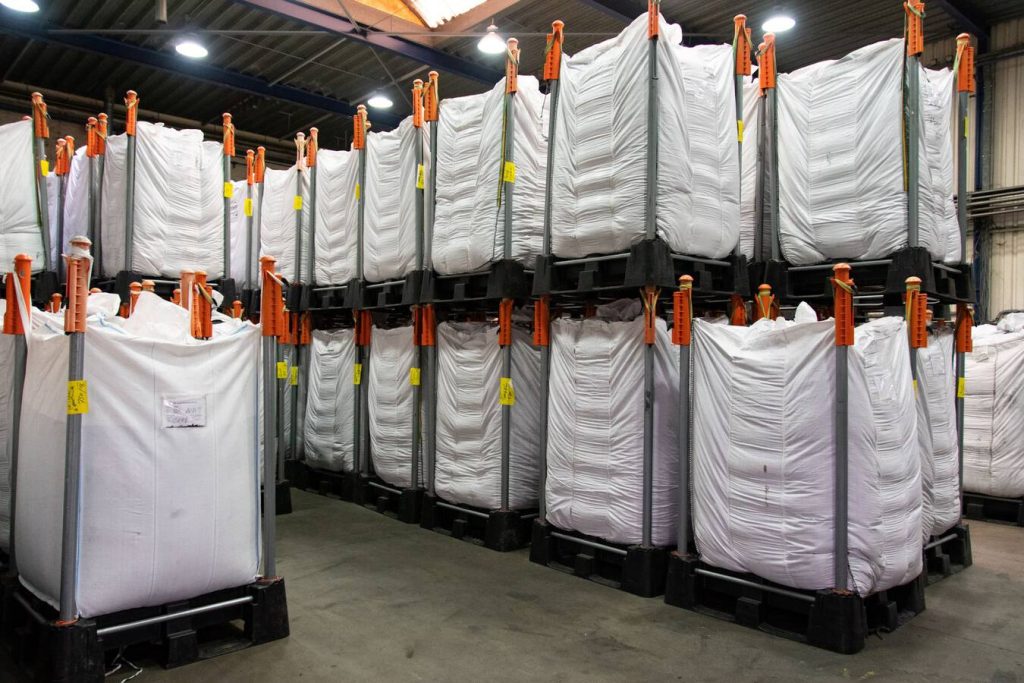
How to Store and Maintain Jumbo Bags: A Complete Industrial Guide
In modern supply chains, Jumbo Bags (also known as Big Bags or FIBCs) have become a standard solution for safe, cost-effective, and engineered handling and storage of bulk materials. However, the actual performance of these bags is determined not only by their manufacturing quality but also by how they are stored and maintained.
Improper storage of FIBC bags can quickly lead to:
- Reduced mechanical properties of polypropylene fabric
- Lower Safe Working Load (SWL)
- Increased waste
- Contamination of the product
- Safety hazards in industrial environments
This comprehensive guide is designed for:
- Warehouse managers
- Logistics officers
- HSE departments
- FIBC purchasers
- Operators in mining, petrochemical, agricultural, and construction industries
Physical Structure of Jumbo Bags and Its Effect on Storage
A Jumbo Bag is made from woven polypropylene fabric with features such as:
- High tensile strength
- Lightweight
- Breathability (in unlaminated models)
- Sensitivity to UV
- Temperature sensitivity
Thus, storage conditions must match the structural properties of the bag.
Why Proper FIBC Storage Is Critical
Proper storage of Big Bags directly impacts:
Maintaining Safe Working Load (SWL)
Improper storage can weaken the straps and body of the bag, increasing the risk of tearing during lifting operations.
Preventing Product Contamination
In industries like food, pharmaceuticals, and chemicals, poor storage can compromise entire shipments.
Reducing Operational Costs
Correct storage extends the lifespan of Jumbo Bags, reduces replacement costs, minimizes waste, and increases warehouse efficiency.
International Standards for Jumbo Bag Storage
Key standards include:
- ISO 21898
- EFIBCA Guidelines
- FEM Handling Standards
These emphasize:
- Environmental conditions
- Stacking methods
- Lifting safety
- Maximum storage duration
Ideal Environmental Conditions for FIBC Storage
Protection from Sunlight and UV Radiation
UV exposure can cause:
- Polymer chain degradation
- Reduced fabric strength
- Shortened lifespan
Industrial solutions:
- Indoor storage
- UV-stabilized Jumbo Bags
- Multi-layer protective covers
Temperature Control
High temperatures can soften polypropylene and reduce tensile strength, while low temperatures may make fibers brittle.
Optimal storage temperature: 15–30°C (59–86°F)
Humidity Control
Excess humidity can lead to:
- Moisture absorption by the product
- Mold growth
- Increased bag weight
Recommended relative humidity: Below 65%
Ventilation
Good airflow prevents:
- Condensation
- Mold growth
- Product degradation
Professional FIBC Stacking Methods
Use of Standard Pallets
Benefits:
- Prevents ground contact
- Easier handling
- Even load distribution
Stacking Clearance
- Distance from walls: 50–70 cm
- Clearance from ceiling: ≥1 m
Maximum Stacking Height
- Empty Jumbo Bags: 2–3 meters
- Filled Bags: According to manufacturer guidelines
Filled Jumbo Bag Storage Guidelines
When storing filled Big Bags:
- Avoid uneven surfaces
- Prevent point pressure
- Ensure uniform weight distribution
- Allow enough space for forklift access
Empty FIBC Storage Guidelines
Steps:
- Complete unloading
- Cleaning
- Proper folding
- Packaging
- Placement on pallets
Correct Folding Method for Jumbo Bags
Proper folding ensures:
- Space efficiency
- Prevents creasing
- Extends strap life
Outdoor Storage (Emergency Situations)
If outdoor storage is unavoidable:
- Plastic pallets
- UV-resistant covers
- Drainage to prevent water accumulation
- Avoid direct ground contact
Storage for Different Industries
Food Industry:
- Isolated environment
- Hygienic standards
- Pest control
Petrochemical Industry:
- Away from corrosive materials
- Anti-static handling
Mining Industry:
- Protection from sharp objects
Periodic Inspection Checklist
- Inspect straps
- Check stitching
- Monitor contamination
- Look for holes or damage
Maximum Recommended Storage Duration
- Standard Jumbo Bags: Up to 12 months
- UV-Stabilized Bags: Up to 24 months
Common Storage Mistakes
- Overstacking
- Dragging bags on the ground
- Incorrect lifting
- Outdoor storage without protection
Benefits of Proper Jumbo Bag Storage
- Reduced waste
- Faster loading/unloading
- Increased safety
- Lower logistics costs
Golden Checklist for Industrial FIBC Storage
- Indoor warehouse
- UV protection
- Humidity control
- Standard pallets
- Proper stacking
- Regular inspections
- Trained operators
Conclusion
Proper storage of Jumbo Bags is more than a warehouse task—it is an engineered process to:
- Preserve product quality
- Increase safety
- Reduce costs
- Extend FIBC lifespan
Following FIBC storage standards optimizes overall logistics efficiency and ensures maximum return on investment.