A Comprehensive Technical Review of Big Bags in Industrial Packaging and Logistics
With the rapid growth of industrial production, global trade, and bulk material handling, the demand for efficient, safe, and cost-effective packaging solutions has increased significantly. Traditional small packaging methods are no longer sufficient for modern supply chains that require high capacity, reduced handling time, and optimized logistics.
One of the most widely used solutions in this field is the Jumbo Bag, also known as Big Bag or Flexible Intermediate Bulk Container (FIBC). Due to their high load capacity, structural strength, flexibility, and economic advantages, jumbo bags have become an essential component of packaging systems across numerous industries.
This article provides a detailed and technical analysis of the application of jumbo bags in different industries, examining their structure, advantages, industrial use cases, and the importance of jumbo bag pricing in industrial decision-making.
What Is a Jumbo Bag (Big Bag)?
Definition of Jumbo Bag
A Jumbo Bag, commonly referred to as a Big Bag or FIBC, is a large, flexible industrial container made primarily from woven polypropylene (PP) fabric. It is designed for the storage and transportation of bulk materials such as powders, granules, and dry flowable products.
Jumbo bags typically have a load capacity ranging from:
- 500 kg to 2,000 kg
Depending on the design and application, jumbo bags can be customized to meet specific industrial and safety requirements.
Structural Components of a Jumbo Bag
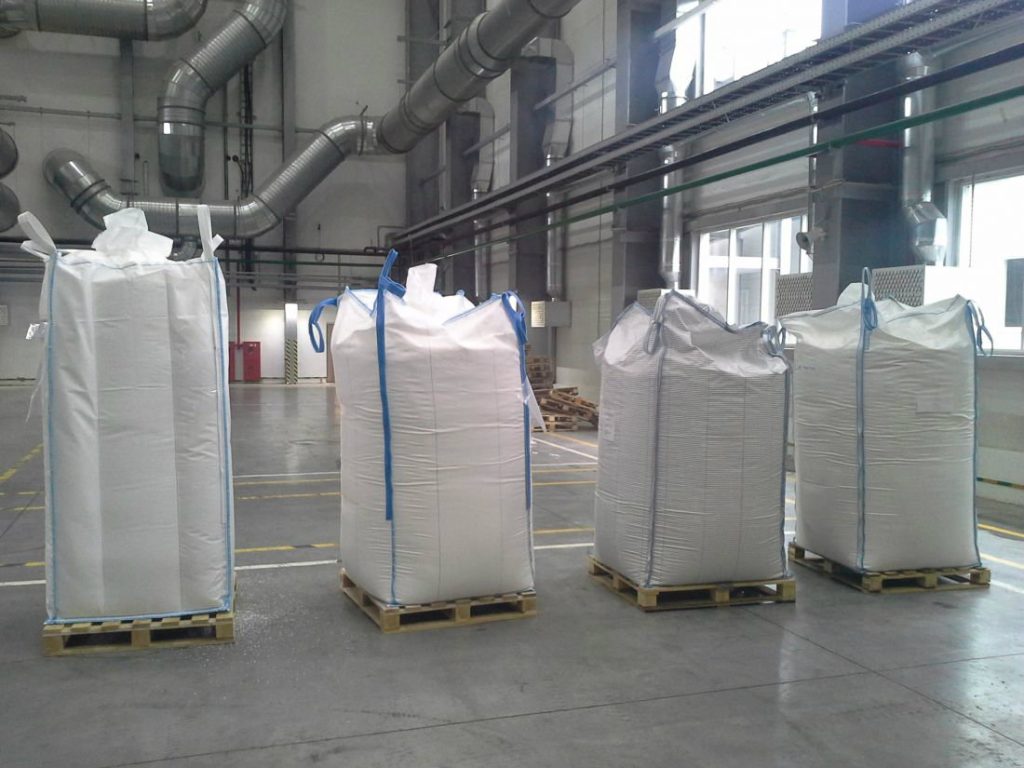
A standard jumbo bag consists of several key components:
- Woven polypropylene body
- Lifting loops (1-loop, 2-loop, or 4-loop designs)
- Top filling spout (open top, duffle top, or spout top)
- Bottom discharge spout or flat base
- Optional inner liner (PE liner)
This modular structure allows big bags to be adapted for a wide range of industrial applications.
Importance of Jumbo Bags in Modern Industries
Why Industries Choose Jumbo Bags
The widespread adoption of jumbo bags is driven by several critical advantages:
- High load capacity with minimal packaging weight
- Reduced packaging and transportation costs
- Easy handling using forklifts or cranes
- Efficient storage and stacking
- Lower material loss and contamination risk
As a result, jumbo bags have become a strategic packaging solution rather than a simple container.
Application of Jumbo Bags in Different Industries
Application of Jumbo Bags in the Agricultural Industry
The agricultural sector is one of the largest consumers of big bags, as it involves the handling of large volumes of bulk products.
Common agricultural applications:
- Grains (wheat, corn, barley, rice)
- Seeds
- Fertilizers (chemical and organic)
- Animal feed
Jumbo bags in agriculture help preserve product quality, reduce moisture exposure, and improve transportation efficiency, especially in export operations.
Application of Jumbo Bags in the Mining Industry
Mining materials are typically heavy, abrasive, and require highly durable packaging. Industrial jumbo bags are specifically engineered to meet these challenges.
Common mining materials:
- Iron ore
- Copper concentrate
- Silica
- Limestone
- Bentonite
- Industrial minerals
Mining jumbo bags are manufactured with reinforced fabric, stronger seams, and higher safety factors to ensure safe transportation of dense materials.
Application of Jumbo Bags in the Chemical Industry
Safety and contamination control are critical in chemical processing. Big bags used in this industry are designed according to strict regulatory and safety standards.
Typical chemical applications:
- Chemical powders
- Resins
- Polymers
- Detergent raw materials
- Industrial additives
In many cases, chemical jumbo bags are produced with:
- Inner liners
- Antistatic properties
- Type B, C, or D electrostatic protection
Application of Jumbo Bags in the Petrochemical Industry
The petrochemical industry heavily relies on jumbo bags for handling raw materials and finished products.
Common petrochemical materials:
- Polyethylene (PE)
- Polypropylene (PP)
- Polymer granules
- Masterbatches
In this sector, consistency in fabric quality, precise dimensions, and electrostatic safety are essential.
Application of Jumbo Bags in the Food Industry
In food processing, hygiene and safety are paramount. Food-grade jumbo bags are manufactured under controlled conditions to meet food safety standards.
Food industry applications:
- Sugar
- Flour
- Salt
- Starch
- Rice and grains
These big bags are typically made from virgin polypropylene and may include certified food-grade liners to prevent contamination.
Application of Jumbo Bags in the Cement and Construction Industry
The construction industry requires efficient packaging for heavy and powdery materials. Jumbo bags play a vital role in this sector.
Common construction materials:
- Cement
- Gypsum
- Lime
- Sand
- Concrete additives
Using jumbo bags in construction projects helps reduce dust emissions, improve site cleanliness, and streamline material handling.
Application of Jumbo Bags in the Pharmaceutical and Hygienic Industries
In pharmaceutical manufacturing, contamination control and traceability are critical. Specialized jumbo bags are used for bulk handling of raw pharmaceutical ingredients.
Key characteristics include:
- Multi-layer liners
- Cleanroom production
- Batch traceability
- Strict quality control
Application of Jumbo Bags in Export and International Logistics
One of the most significant advantages of jumbo bags is their role in global logistics and export operations.
Benefits for international shipping:
- Reduced packaging weight
- Compliance with international standards
- Efficient container loading
- Lower freight costs
As a result, big bags are widely used for exporting bulk materials worldwide.
Types of Jumbo Bags Based on Industrial Application
To meet diverse industrial needs, jumbo bags are available in various designs:
- Standard jumbo bags
- Spout top and spout bottom bags
- Open-top big bags
- Baffle (Q-bag) jumbo bags
- Antistatic jumbo bags
- Jumbo bags with inner liners
Selecting the correct type directly affects safety, performance, and jumbo bag price.
The Role of Jumbo Bag Price in Industrial Decision-Making
How Is Jumbo Bag Price Determined?
The price of a jumbo bag depends on multiple technical and commercial factors, including:
- Fabric weight (GSM)
- Bag dimensions
- Type and number of lifting loops
- Top and bottom design
- Inner liner requirements
- Order quantity
- Industry-specific standards
In large-scale industrial projects, optimizing jumbo bag specifications can significantly reduce overall packaging and logistics costs.
Advantages of Jumbo Bags Over Traditional Packaging
Compared to small sacks or rigid containers, jumbo bags offer:
- Lower cost per ton of material
- Reduced handling time
- Fewer packaging units
- Improved workplace safety
- Enhanced storage efficiency
These advantages explain why many industries are transitioning to jumbo bag packaging systems.
Conclusion
Jumbo Bags (Big Bags) have become an indispensable solution for modern industrial packaging and bulk material handling. Their versatility, strength, and cost efficiency make them suitable for a wide range of industries, including agriculture, mining, chemicals, food processing, construction, and petrochemicals.
By selecting the right jumbo bag type and carefully evaluating jumbo bag pricing, businesses can optimize logistics, improve safety, and achieve significant cost savings.